
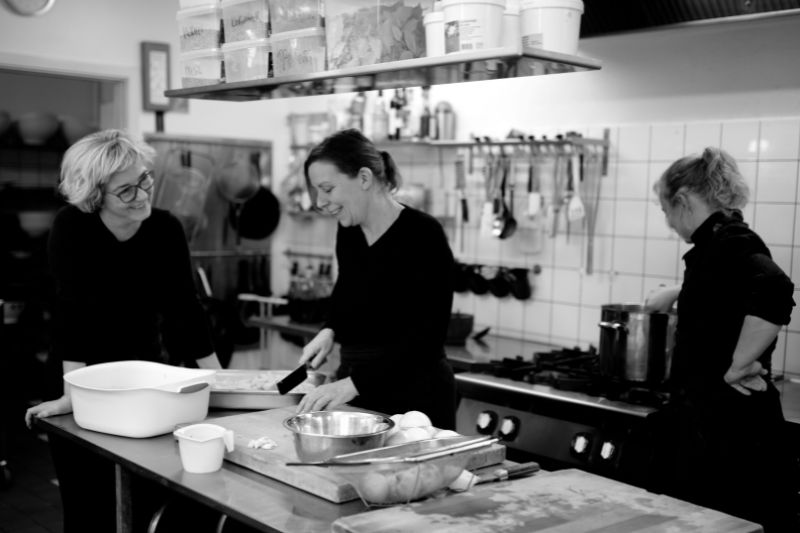
Why French Kitchens are considered the toughest training ground in the world And why that pressure quietly creates the best chefs
The First Time You Step Into a French Kitchen… You Feel It Immediately
The heat. The pace.
The silence between instructions.
The precision in every movement.
Nobody is rushing carelessly. Nobody is wasting motion.
And yet somehow, everything moves incredibly fast.
For many culinary students, working in a French kitchen feels less like entering a workplace…
and more like stepping into a battlefield built entirely around perfection.
That reputation exists for a reason.
French kitchens are considered among the toughest culinary training grounds in the world because they demand far more than cooking skills.
They demand discipline. Consistency. Emotional control. Attention to detail.
And standards that rarely lower themselves for comfort.
But somewhere inside that pressure, great chefs are shaped.
1. In French kitchens, “good enough” barely exists
Perfection Is Not Appreciated Here. It Is Expected.
One of the biggest cultural shocks for students entering French kitchens is understanding how deeply standards matter.
The sauce consistency matters.
The plating symmetry matters.
The temperature matters.
The garnish placement matters.
Everything matters.
A plate leaving the kitchen is not viewed as “food.”
It represents the reputation of the restaurant, the chef, and the entire brigade behind it.
This obsession with precision is exactly why French culinary training holds such global respect.
2. The Pressure is intense, because excellence is built under pressure
French Kitchens Do Not Train Comfort. They Train Control.
Lunch service begins.
Orders flood in.
Instructions fly rapidly.
And suddenly, culinary students realise:
Cooking professionally has very little to do with cooking comfortably at home.
French kitchens move with military-like discipline. Every second counts.
Every station matters.
Every mistake affects the team.
This environment can feel overwhelming initially. But over time, something powerful happens. Students stop reacting emotionally to pressure. They begin responding professionally. And that shift changes them forever.
3. Hierarchy in French Kitchens Is Serious. There Is a Reason “Yes Chef” Exists.
French brigade kitchens operate with a strong hierarchy and structure.
From:
- Commis chefs
- Chef de Partie
- Sous Chef
- Executive Chef
Everyone has clearly defined responsibilities.
This structure creates:
- ✔ Efficiency
- ✔ Accountability
- ✔ Precision during service
For students, this can initially feel intimidating. But it also teaches something incredibly valuable:
Respect for systems. And globally, chefs trained in structured environments often adapt faster to professional kitchens everywhere else.
4. Every Tiny Habit Is Observed
French Kitchens Quietly Teach Discipline Beyond Cooking.
In many kitchens, students assume talent alone will impress chefs.
French kitchens disagree.
Chefs observe:
- Cleanliness
- Organization
- Knife handling
- Posture
- Speed
- Consistency
- Communication
Even how you stand matters. Because culinary excellence is not built only through recipes. It is built through habits. And French kitchens are masters at building disciplined habits through repetition.
5. “Mise en Place” Is Almost a Religion Here
Preparation Determines Survival.
One of the strongest foundations of French culinary culture is mise en place, everything in its place.
Before service begins:
- Ingredients are prepared
- Tools are organized
- Stations are cleaned
- Timing is planned
Students quickly learn:
A chaotic station creates chaotic service.
This philosophy quietly extends far beyond kitchens.
French culinary discipline teaches students how preparation shapes performance in life itself.
6. Emotional Strength Becomes Part of the Training
French Kitchens Train Your Mind As Much As Your Hands.
There will be difficult days.
Long hours.
Corrections.
Mistakes.
Moments of self-doubt.
And that is exactly why French kitchens build resilience.
Students learn:
- Emotional control under pressure
- Professional communication
- Mental stamina
- Team coordination
The experience becomes deeply transformational. Because eventually, students stop fearing pressure. They grow through it.
7. The Culture of French Cuisine Carries Deep Pride
This Is Not “Just Food” in France.
In France, culinary culture carries heritage, identity, and pride. Cooking is treated with seriousness and artistry. This is why chefs often demand so much from students.
Not out of cruelty.
But because culinary excellence is deeply respected.
And when students understand this cultural perspective, the intensity begins to make sense.
8. The Learning Is Brutal… but extremely fast
Students Grow Faster Here Because Standards Stay High.
Many students say one year in a French kitchen teaches more than several years elsewhere.
Why?
Because:
- Feedback is direct
- Mistakes are corrected immediately
- Expectations remain consistently high
This accelerates learning dramatically.
Students improve:
- ✔ Speed
- ✔ Precision
- ✔ Professionalism
- ✔ Time management
- ✔ Technical execution
Very quickly.
9. French Kitchens Quietly Build Global Credibility
The Industry Knows What French Training Means.
Globally, chefs trained in France often carry strong credibility.
Because employers understand what French kitchen environments demand.
When recruiters see:
- ✔ French internship experience
- ✔ Michelin kitchen exposure
- ✔ French hospitality training
They immediately associate it with:
- Strong work ethic
- High standards
- Professional discipline
And that credibility opens doors internationally.
10. The Real Transformation Happens Beyond Cooking
This Experience Changes More Than Culinary Skills.
At first, students arrive wanting to become better chefs. But somewhere along the journey… They become stronger people too.
More independent.
More resilient.
More focused.
More confident under pressure.
Because French kitchens do not simply teach recipes. They teach standards. And once students experience those standards, they carry them everywhere.
The Truth Most Students Realize Later
French kitchens are difficult.
Sometimes exhausting.
Sometimes emotionally demanding.
But years later, many chefs look back and say:
"That experience shaped me."
Because the pressure was never there to break them.
It was there to refine them.
Why This Journey Matters
For culinary students dreaming of international careers, French kitchens offer something incredibly valuable:
Real growth.
Not polished growth. Not comfortable growth.
Real growth.
The kind built through discipline, repetition, precision, mistakes, and resilience.
French kitchens are not considered the toughest training grounds in the world because they are harsh. They are respected because they refuse to compromise on excellence.
And in doing so, they quietly transform students into professionals capable of performing anywhere in the world.

What Is Omotenashi And Why Is the World Obsessed With It?

What Are Recruiters Abroad Really Looking for in Hospitality Students?
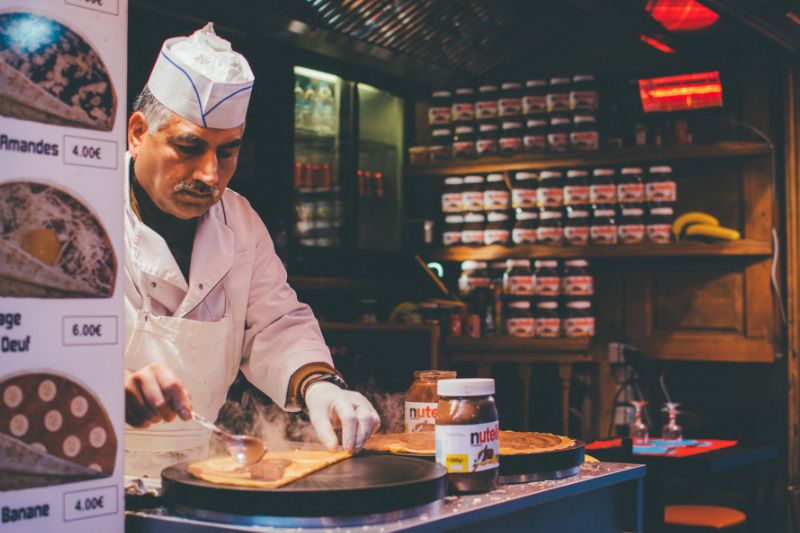
Imagine a day in France as a chef, this is what it looks like

The Courage Tax: Why Every Student Must Step Outside Their Comfort Zone to Grow
The most powerful hospitality skill isn't service. It's observation.